Brands/Dassai
獺祭
Dassai
Asahi Shuzo (旭酒造)·Yamaguchi
Iwakuni, along the otter rivers of Suō
Iwakuni, Yamaguchi — a different company from Asahi-Shuzo (朝日酒造) in Niigata, which brews Kubota.
Junmai daiginjo as a house rule, Yamada Nishiki, and polishing ratios written on the label (45, 39, 23).
Shop DassaiDassai means “otter festival”: in this part of Yamaguchi, otters were once seen lining fish along the riverbank as if for a feast. The character 獺 is also a nod to the poet Masaoka Shiki, who took Dassai as a pen name.
The brewery is Asahi Shuzo (旭酒造) in Iwakuni — not the Niigata Asahi-Shuzo behind Kubota. Dassai is brewed as junmai daiginjo: no distilled alcohol added, rice polished until half or less remains. The famous numbers (45, 39, 23) are the percentage of the grain left after milling, not a score.
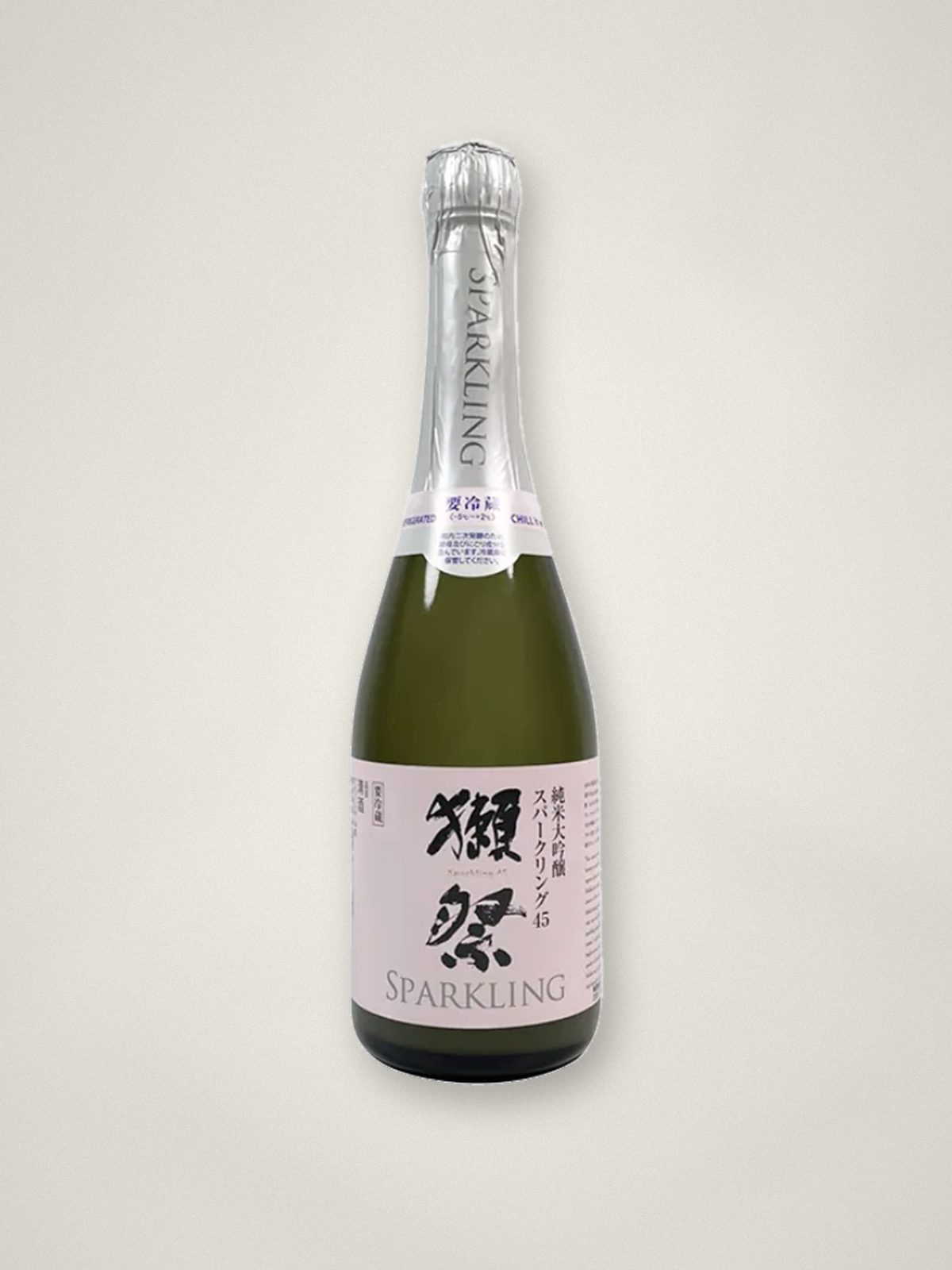
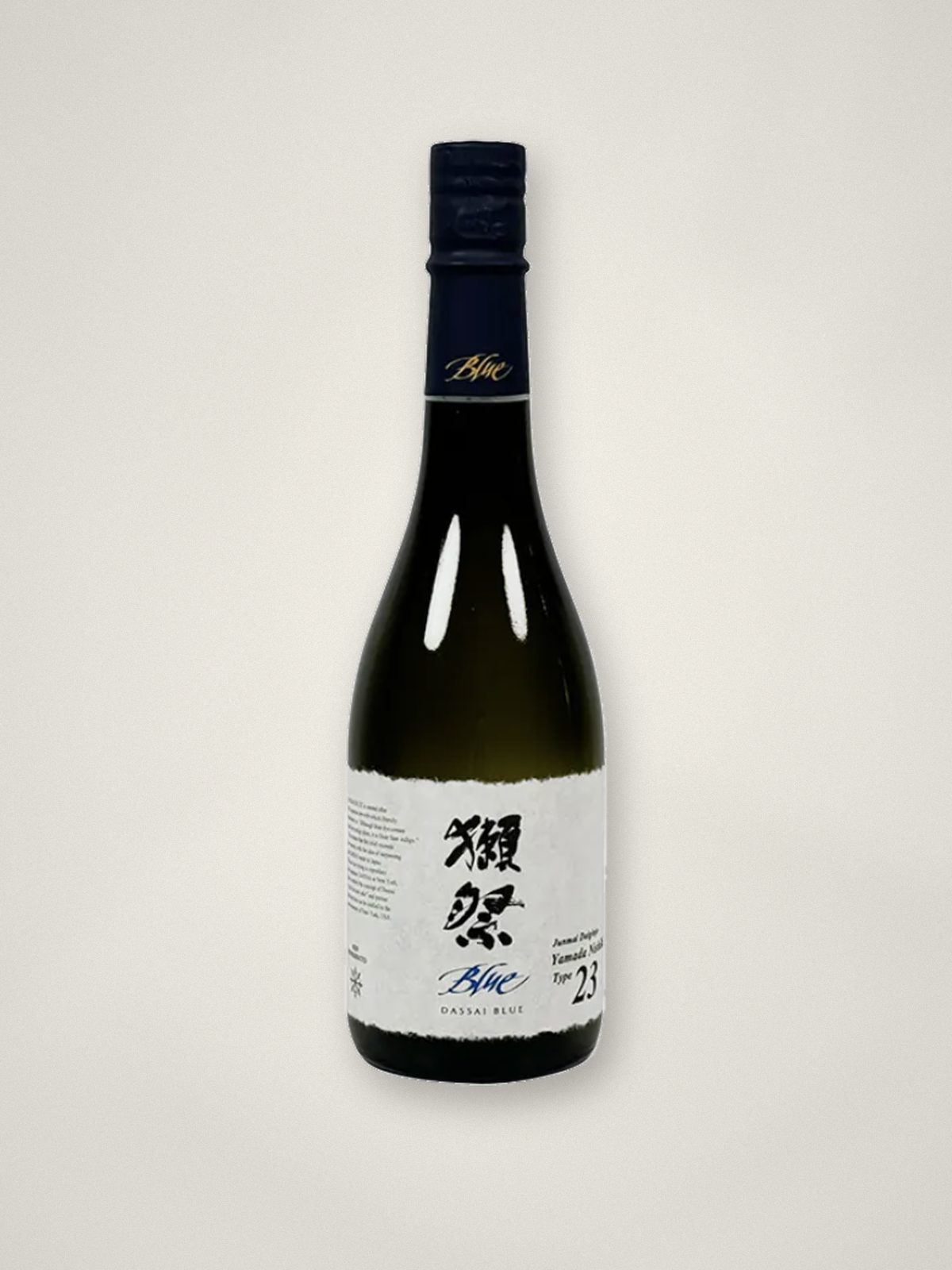
The house is known for a fruit-forward, precise glass rather than a rustic village sake. Year-round brewing and a modern cellar sit behind that style. On the KOKOMII shelf now: the numbered 45, 39, and 23, a 180 ml tasting set, 45 sparkling, and Dassai Blue Type 23 from New York.
Signature bottles
Lines we look for
Representative names — not a complete catalogue. Where the cellar has a matching SKU, the name opens that bottle.
- In the shop
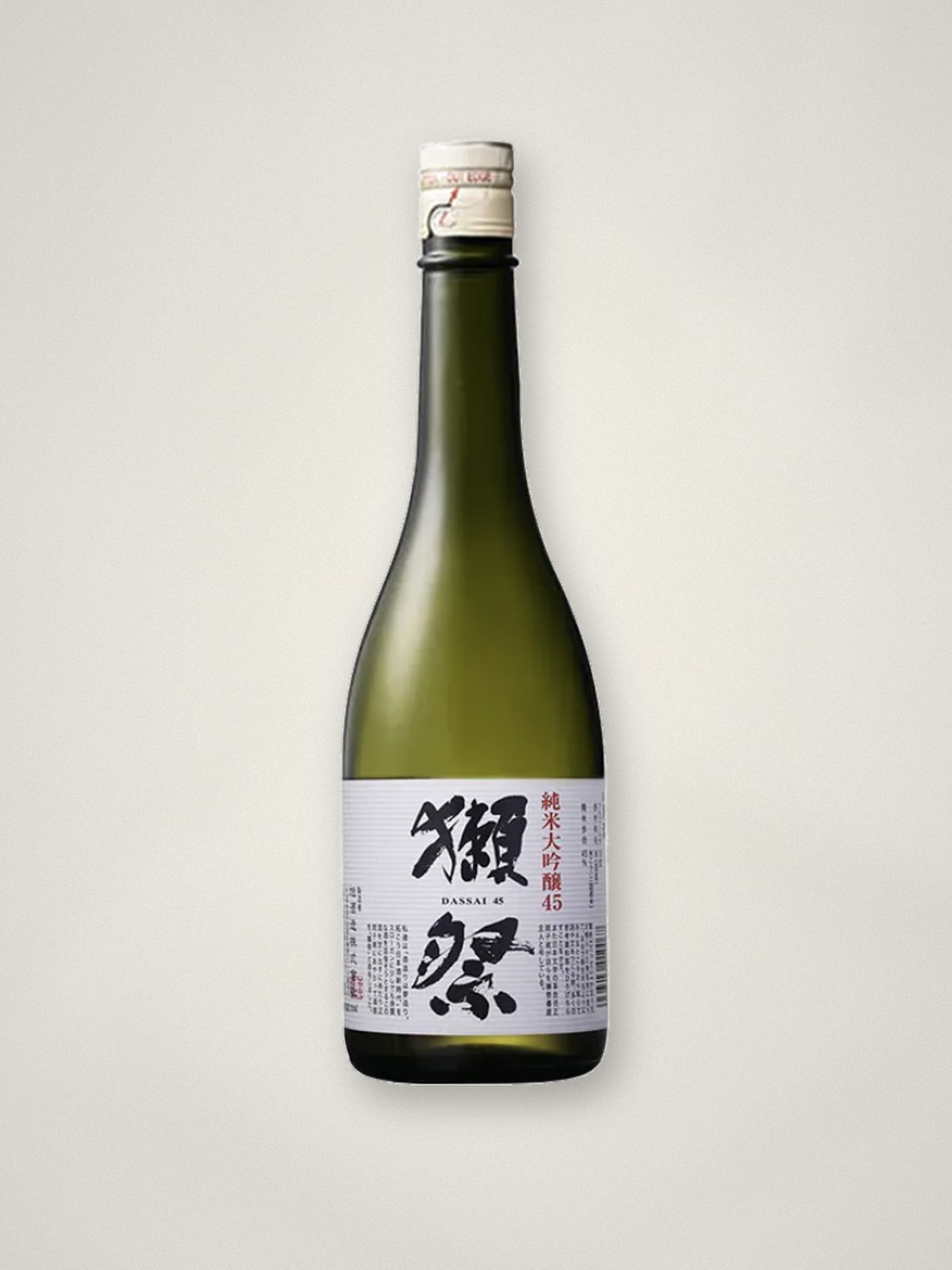
四割五分
Dassai 45
Forty-five percent remaining — the approachable numbered junmai daiginjo.
- In the shop
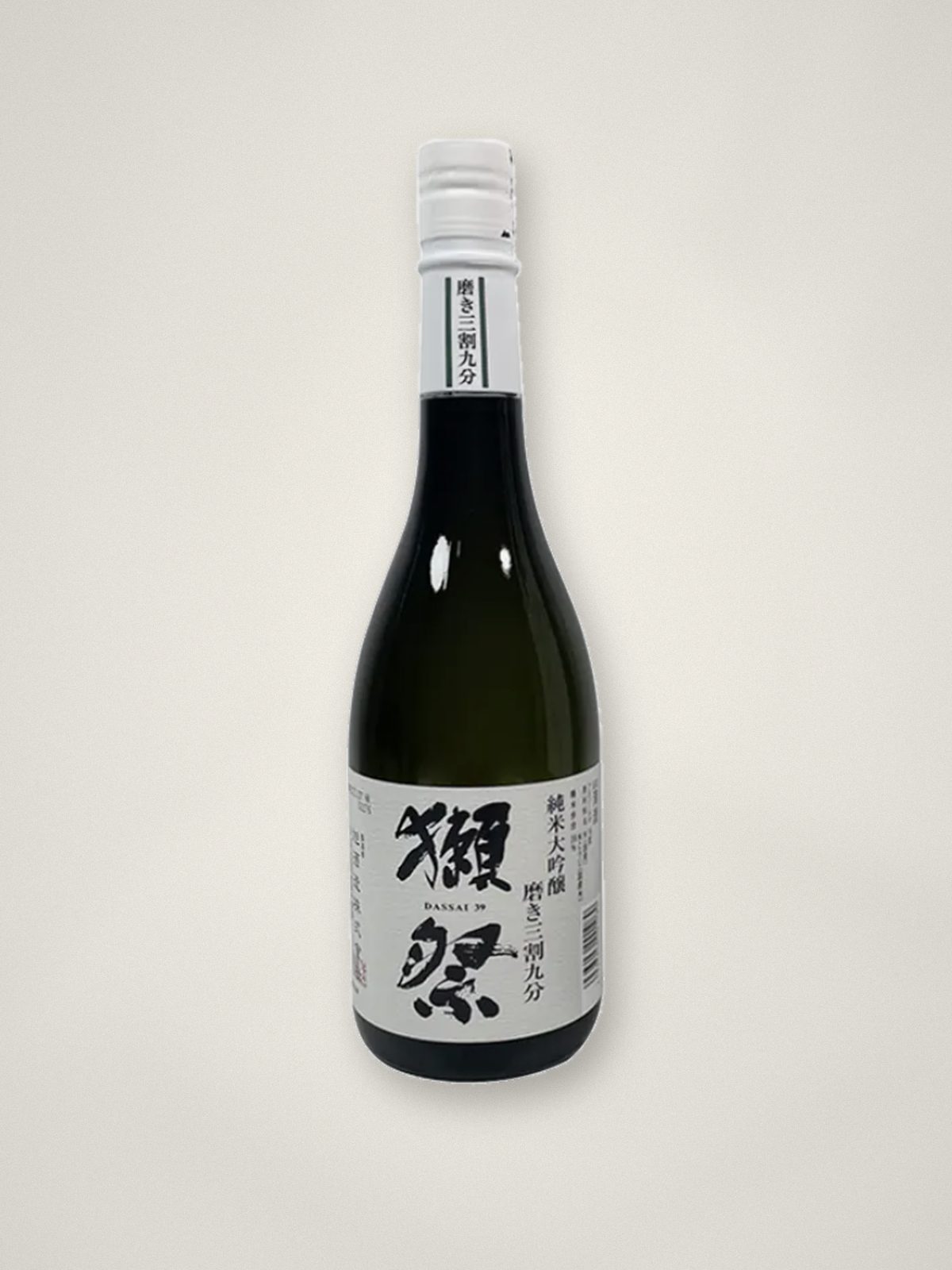
三割九分
Dassai 39
Thirty-nine percent remaining — a step further into perfume.
- In the shop
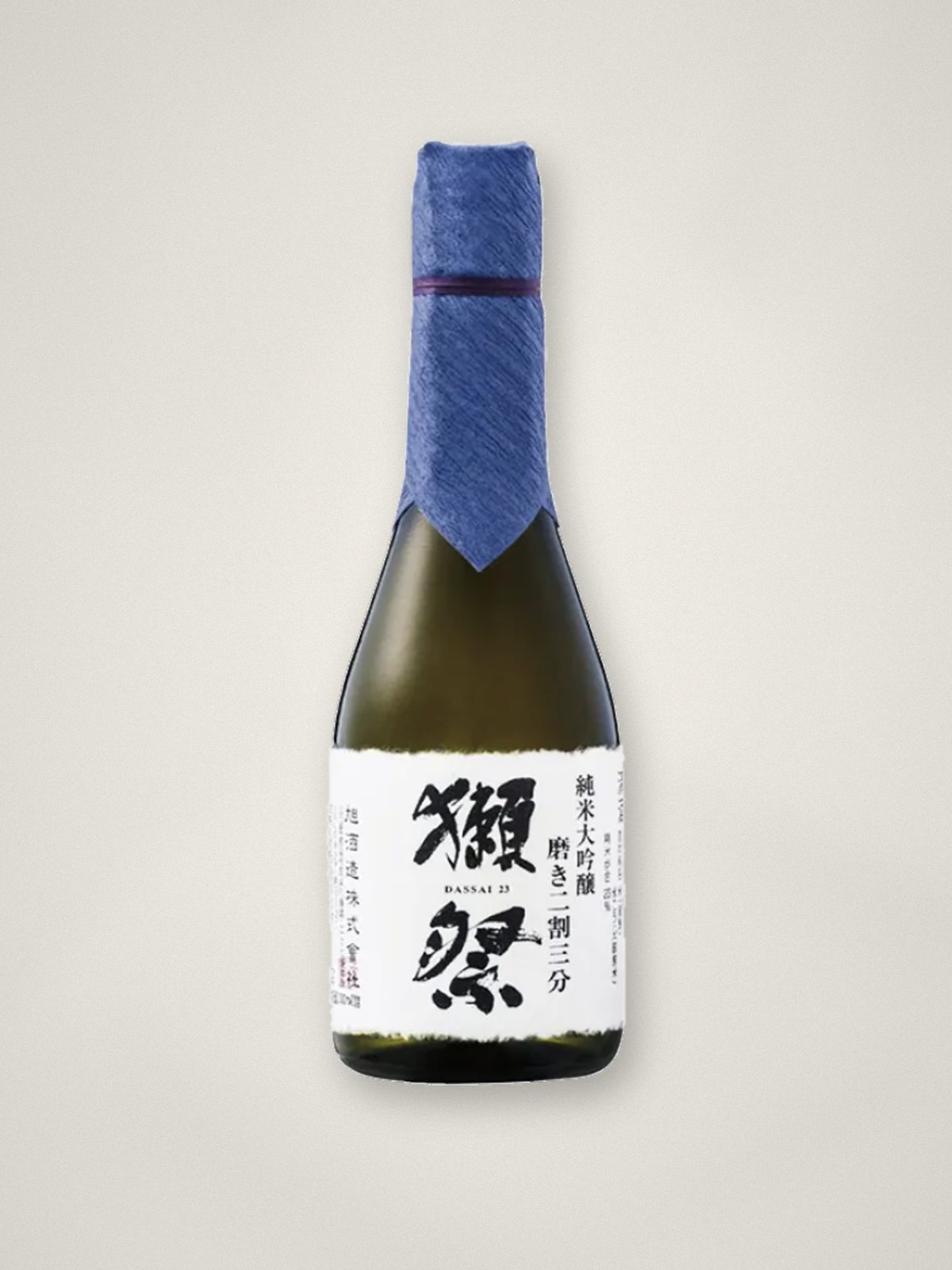
二割三分
Dassai 23
Twenty-three percent of the grain remains. The polishing ratio that made the brand famous.
- In the shop
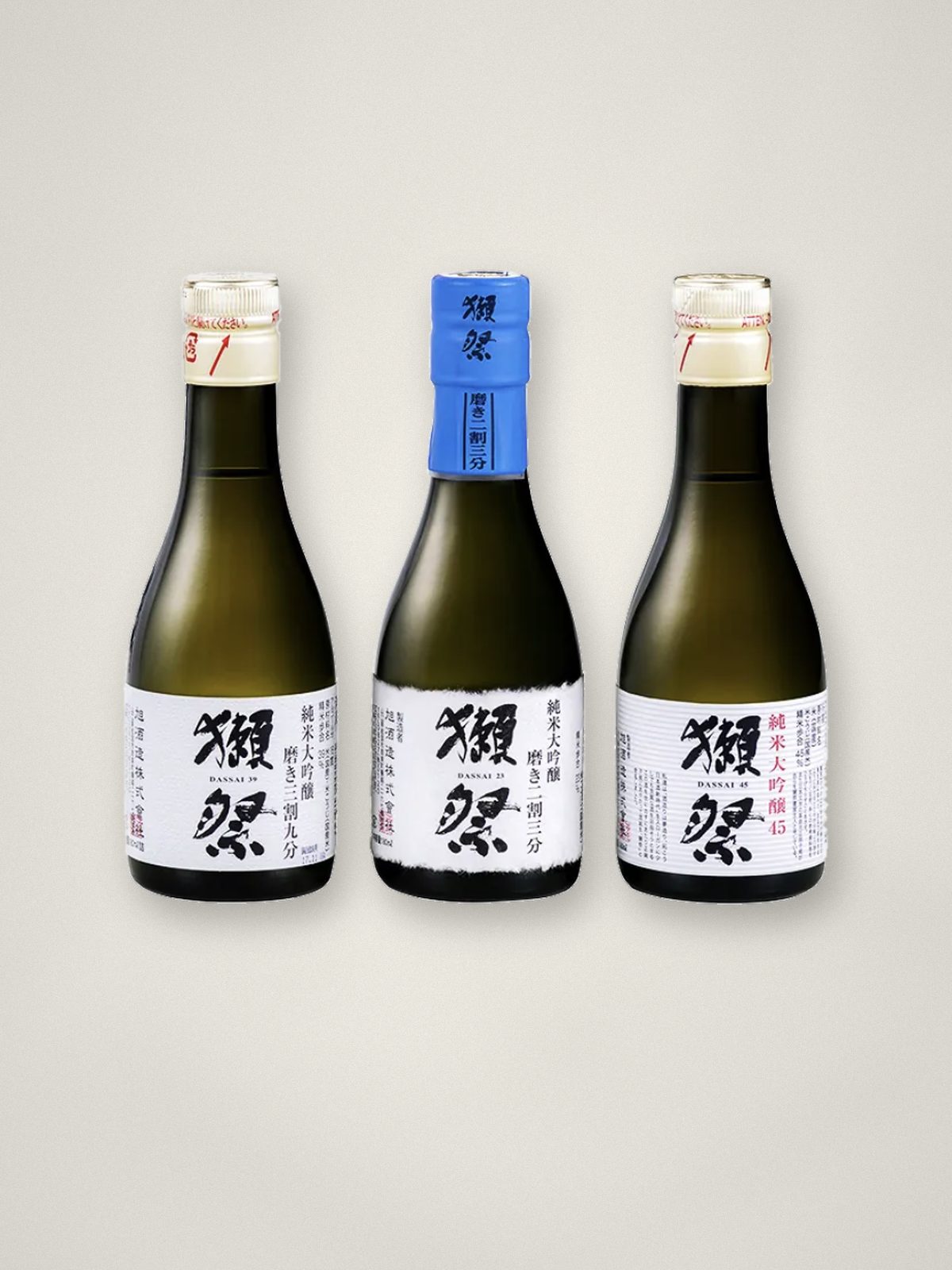
23/39/45 套裝
23 / 39 / 45 set
Three 180 ml glasses of the numbered junmai daiginjo, side by side.
- In the shop
四割五分 發泡酒
Dassai 45 Sparkling
A fizzy pour from the same junmai daiginjo cellar, in 360 ml.
- In the shop
Blue Type 23
Dassai Blue Type 23
The New York brewery’s 23 — same polish idea, a quieter ginjo aroma.
In the KOKOMII cellar