The houses
Brands
Ten kura we return to. Each page is a short brewery story — prefecture, style, and the bottles we actually stock — not a trophy list. Japanese names sit beside the romanization drinkers already use.
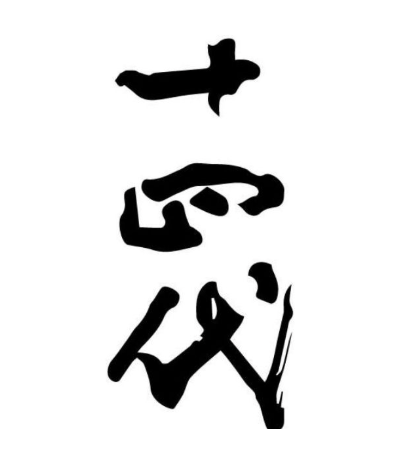
十四代
Juyondai
Yamagata·Takagi Shuzo
The fourteenth-generation name — vivid, scarce, and still a Yamagata family craft.
10 bottles in the shop
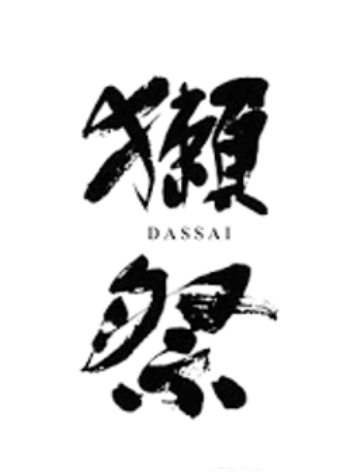
獺祭
Dassai
Yamaguchi·Asahi Shuzo
Otter festival — Yamaguchi junmai daiginjo, numbered by how far the rice is polished.
6 bottles in the shop
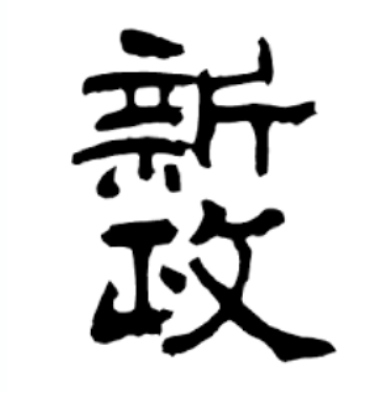
新政
Aramasa
Akita·Aramasa Shuzo
Akita, Association No. 6 yeast, kimoto, and wooden vats — a house rebuilt around its own microbe.
10 bottles in the shop
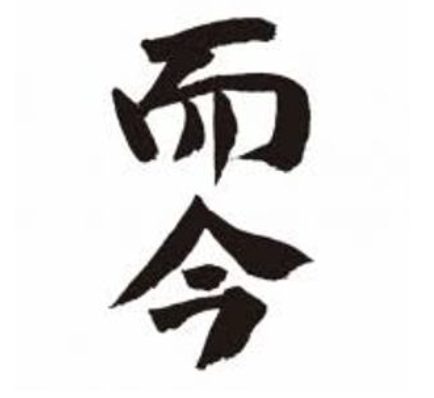
而今
Jikon
Mie·Kiyasho Shuzo
“This very moment” — a Mie brewery that names bottles after the rice in the vat.
9 bottles in the shop
八海山
Hakkaisan
Niigata·Hakkaisan Brewery
Snow-country Niigata sake — clean, dry, and built to sit beside a meal.
8 bottles in the shop
久保田
Kubota
Niigata·Asahi-Shuzo
Niigata’s Kubota — a clean, dry house from a different Asahi than Dassai.
6 bottles in the shop
作
Zaku
Mie·Shimizu Seizaburo Shoten
“To make” — Suzuka’s remaining brewery, brewing a clear, food-first glass.
10 bottles in the shop
鍋島
Nabeshima
Saga·Fukuchiyo Shuzo
A Saga brewery named for the old domain — fruit-forward ginjo from a Kyushu post town.
9 bottles in the shop
亀泉
Kameizumi
Kochi·Kameizumi Shuzo
Kochi’s CEL-24 yeast — pineapple and apple in a low, juicy glass.
3 bottles in the shop
大嶺
Ohmine
Yamaguchi·Ohmine Shuzou
Yamaguchi junmai, named by how far the rice is milled — grain by grain.
8 bottles in the shop