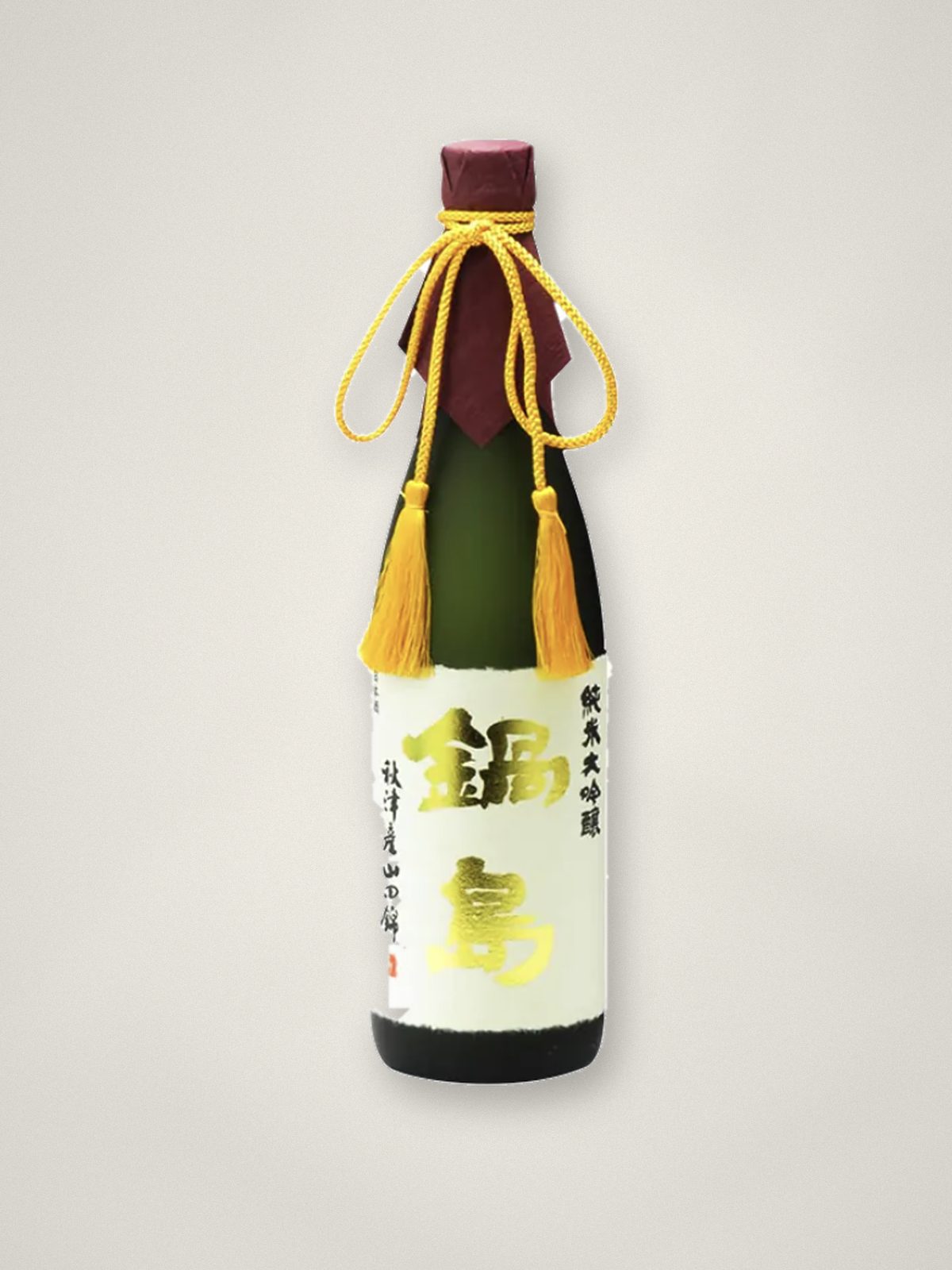
Brands/Nabeshima
鍋島
Nabeshima
Fukuchiyo Shuzo (富久千代酒造)·Saga
Kashima, Hizen Hamashuku on the Ariake Sea
Colour-coded labels (orange, pink, green) and richly aromatic junmai ginjo and daiginjo.
Shop NabeshimaFukuchiyo Shuzo brews in Hamamachi, Kashima, Saga — a former lodging town on the Ariake Sea, still lined with plaster storehouses. The brand Nabeshima takes its name from the family that once ruled Saga domain.
Kyushu is better known for shochu. Nabeshima is the counter-argument: polished rice, vivid aroma, a glass that can stand next to a white wine without apology. In 2011 a Nabeshima junmai daiginjo was named Champion Sake at the International Wine Challenge — a useful landmark, not the whole cellar.
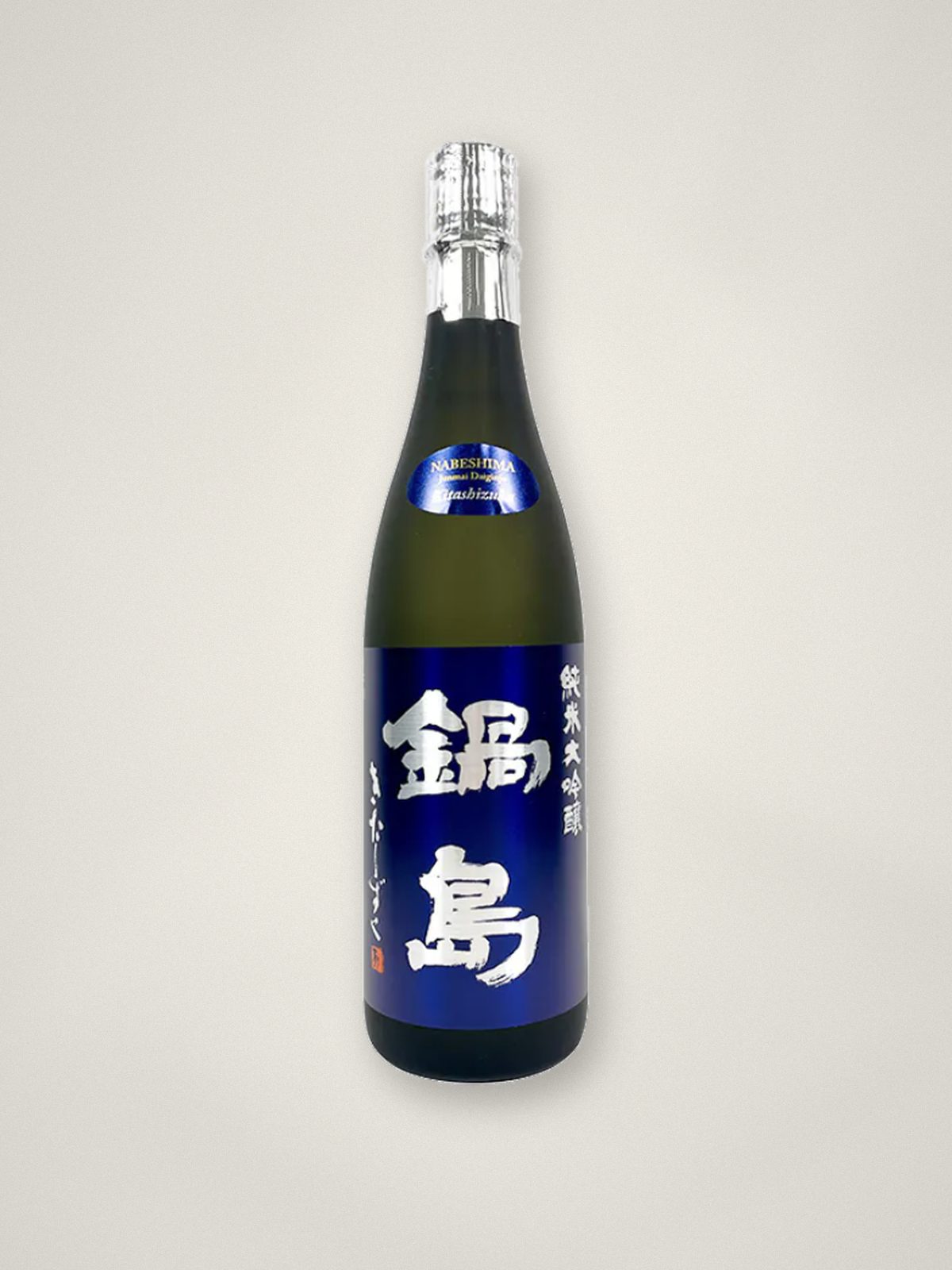
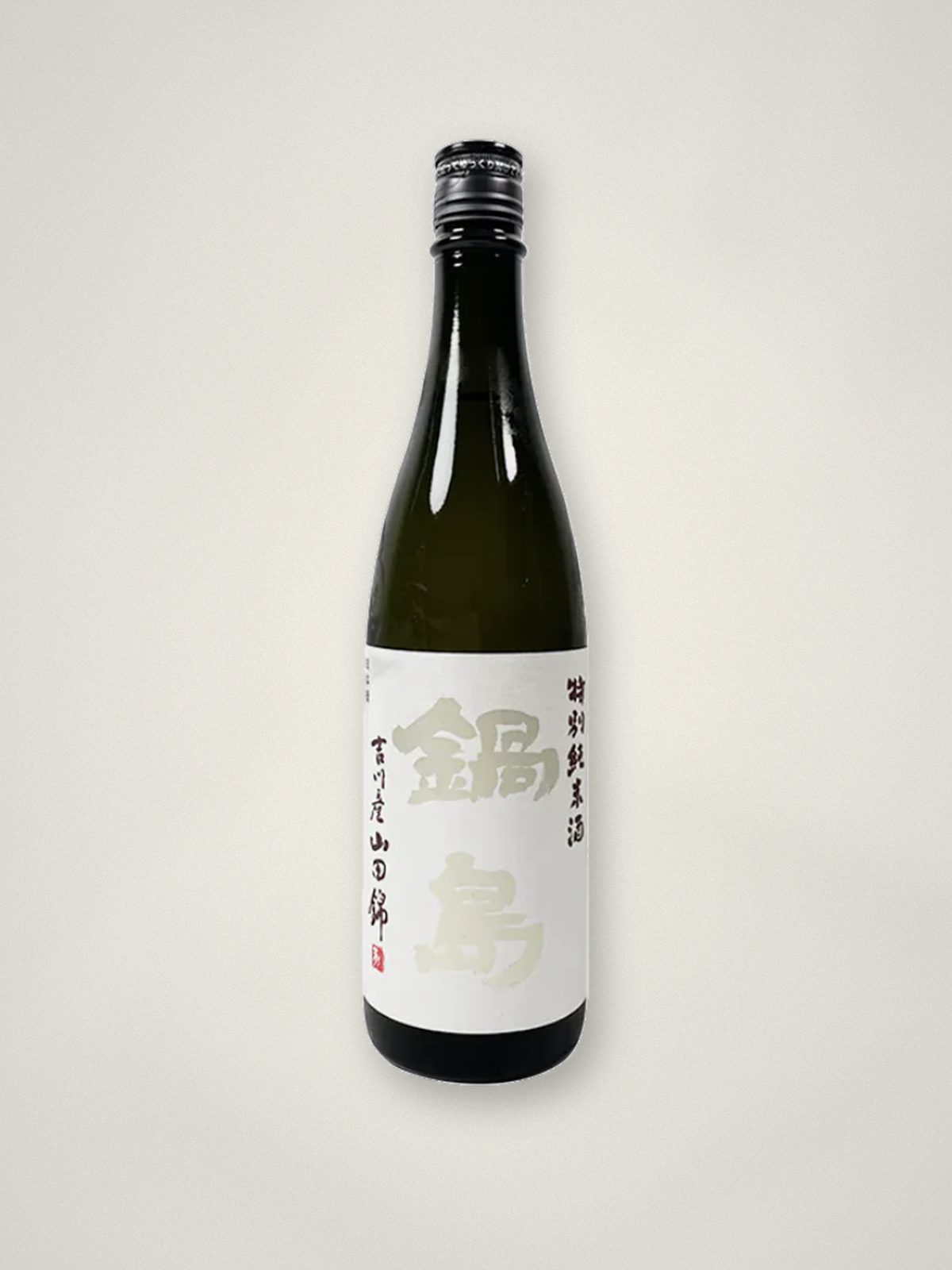
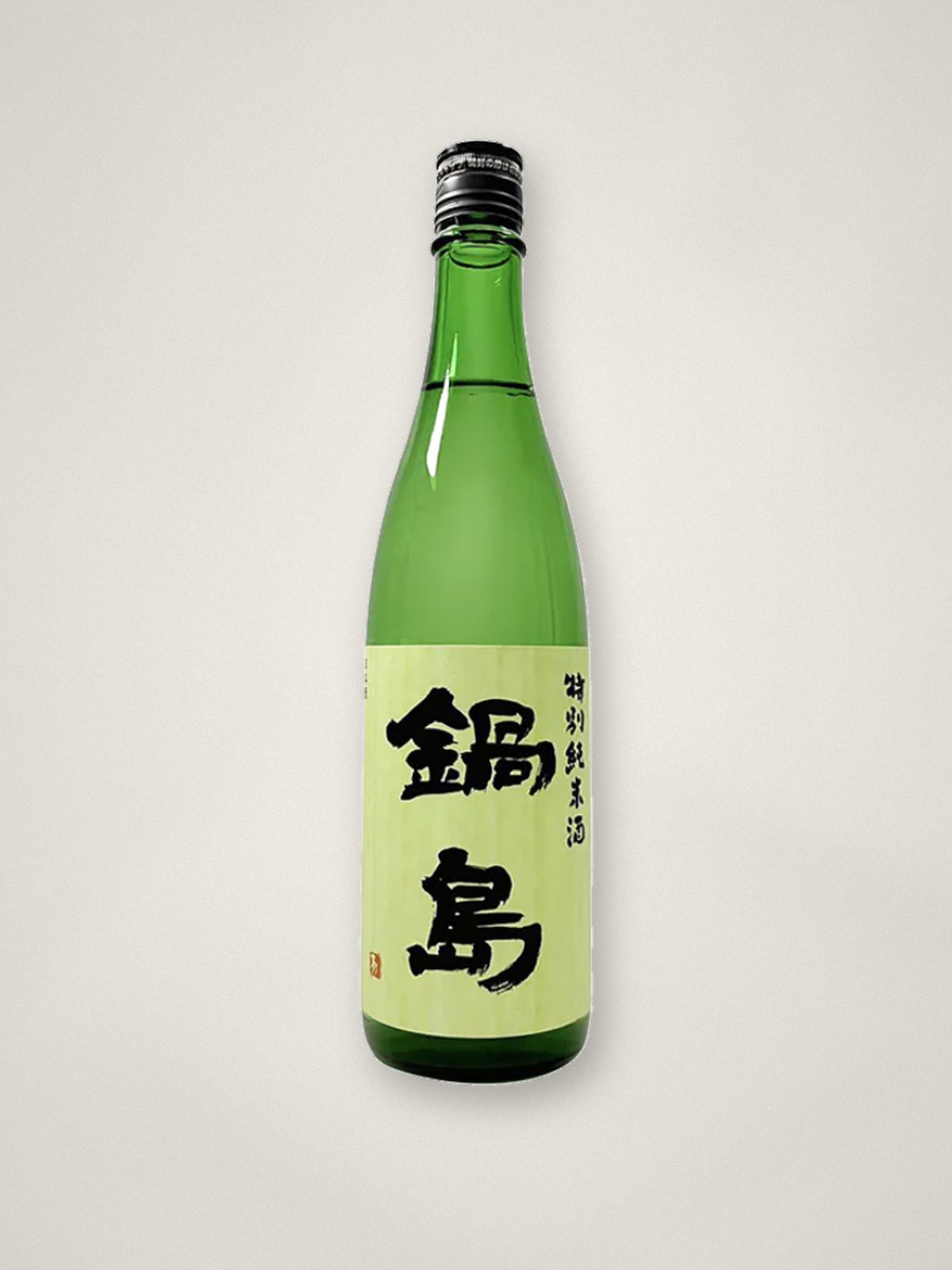
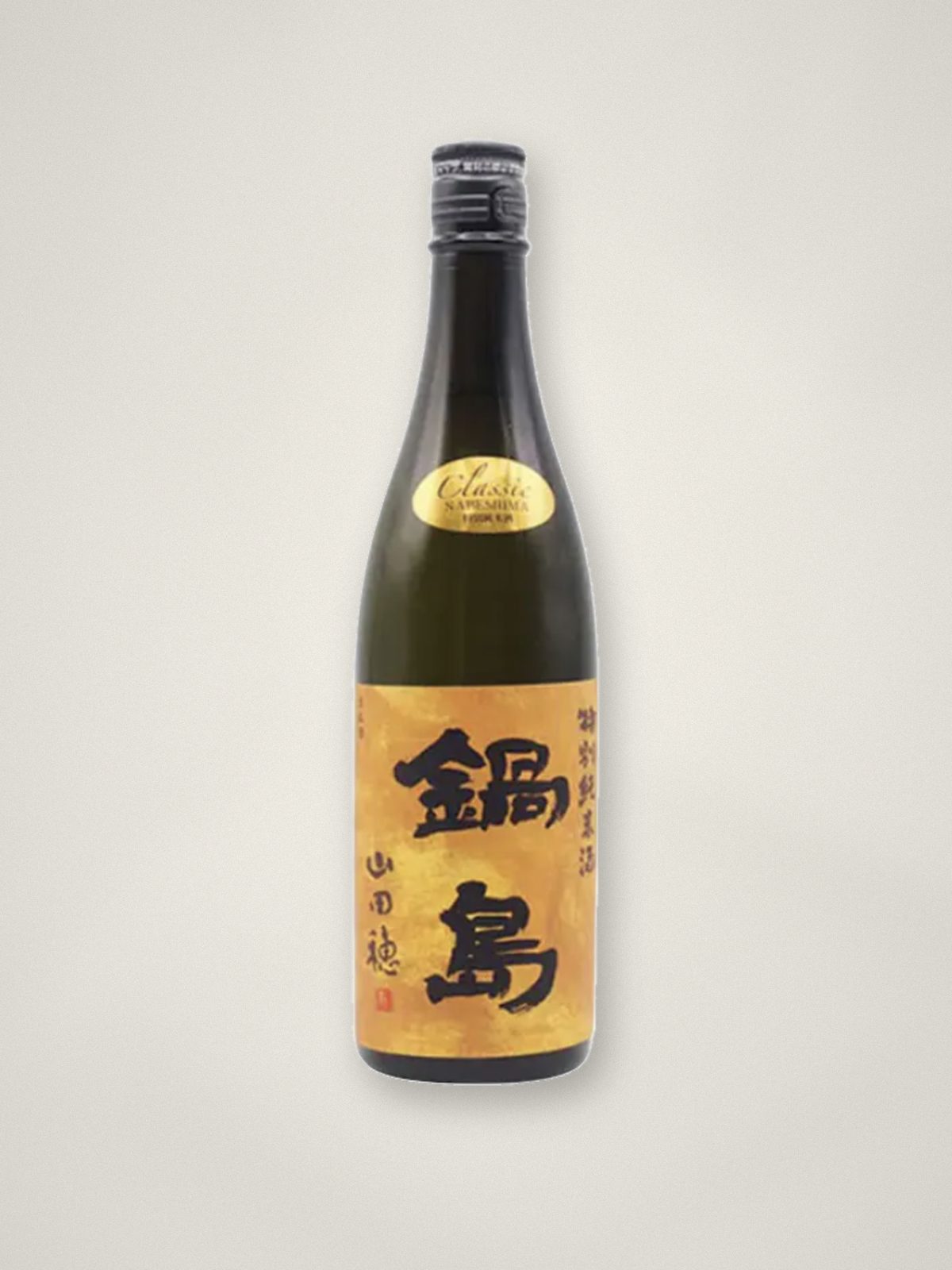
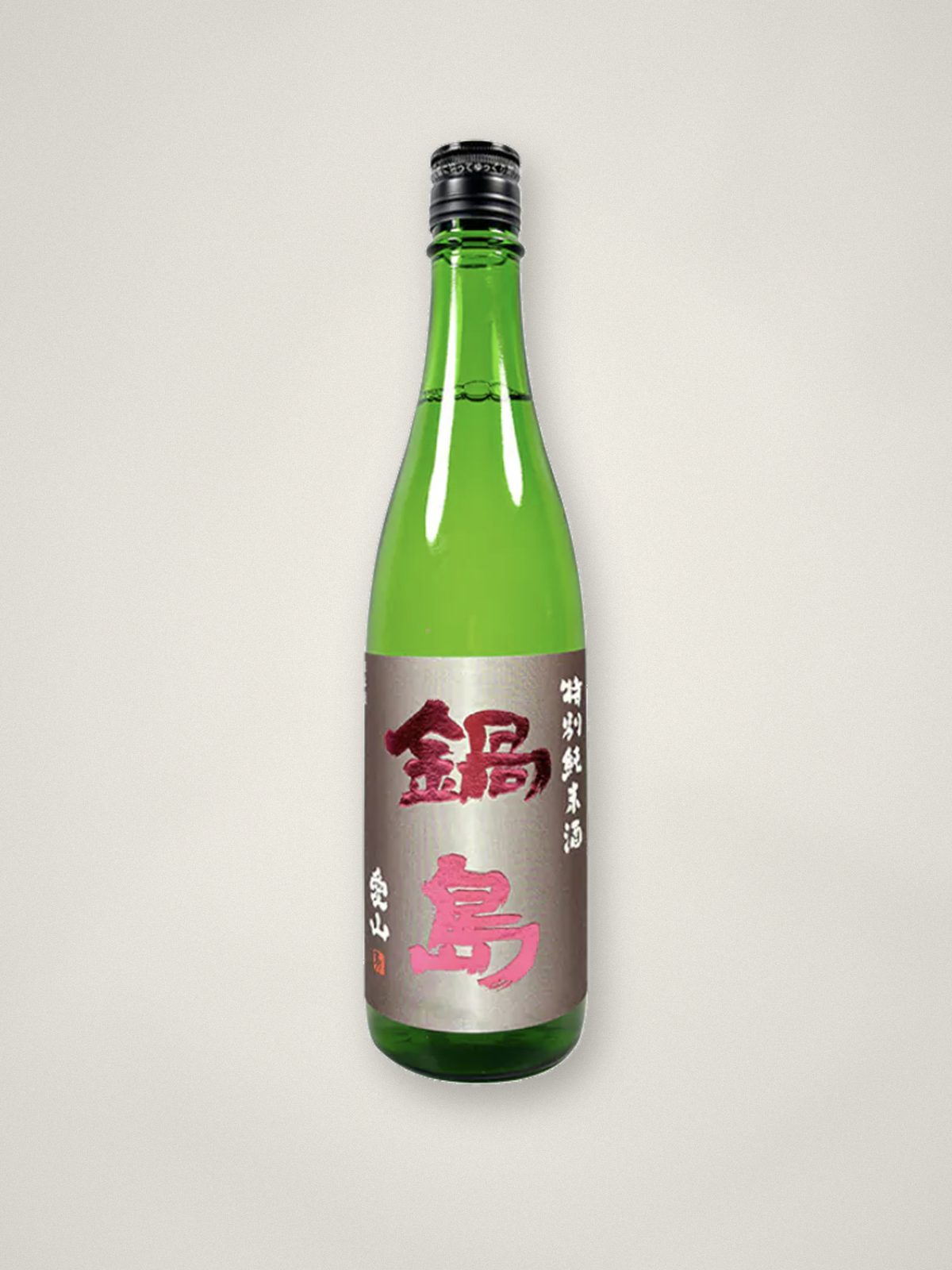
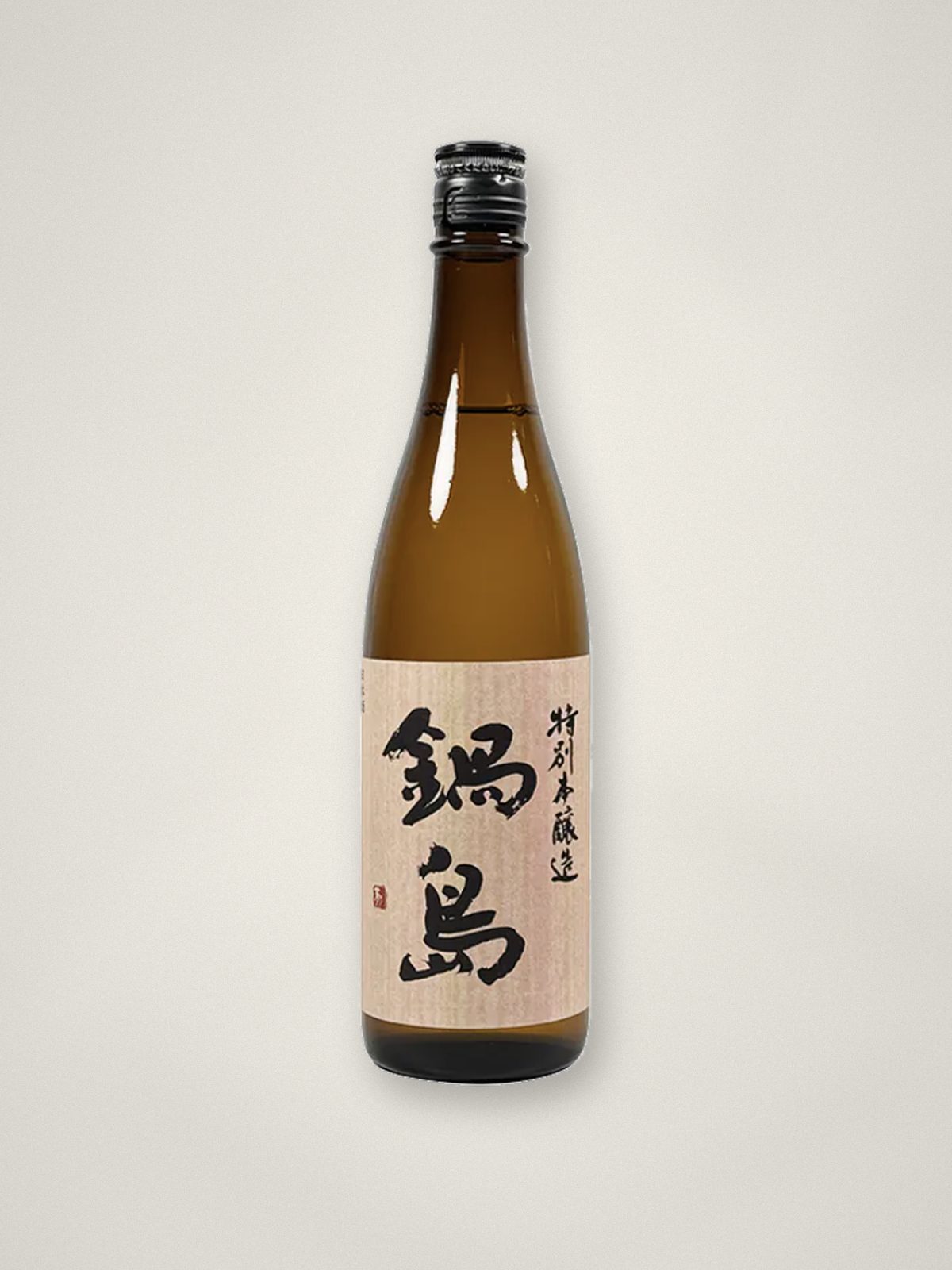
On the shelf the colours help: pink for tokubetsu honjozo, green for tokubetsu junmai. Classic labels carry Yamadaho and Aiyama; Kitashizuku, Akaiwa Omachi, Hyogo 35, and Akitsu 35 sit beside them.
Signature bottles
Lines we look for
Representative names — not a complete catalogue. Where the cellar has a matching SKU, the name opens that bottle.
- In the shop
特別本釀造 (Pink Label)
Pink Label
Tokubetsu honjozo — lighter, drier, the izakaya bottle.
- In the shop
特別純米酒 (Green Label)
Green Label
Tokubetsu junmai — more rice, less perfume. This listing is 1.8 L.
- In the shop
Classic 山田穗 · 愛山
Classic Yamadaho / Aiyama
Tokubetsu junmai under the Classic label, two rices.
- In the shop
北雫
Kitashizuku
Junmai daiginjo; this listing is the 1.8 L bottle.
- In the shop
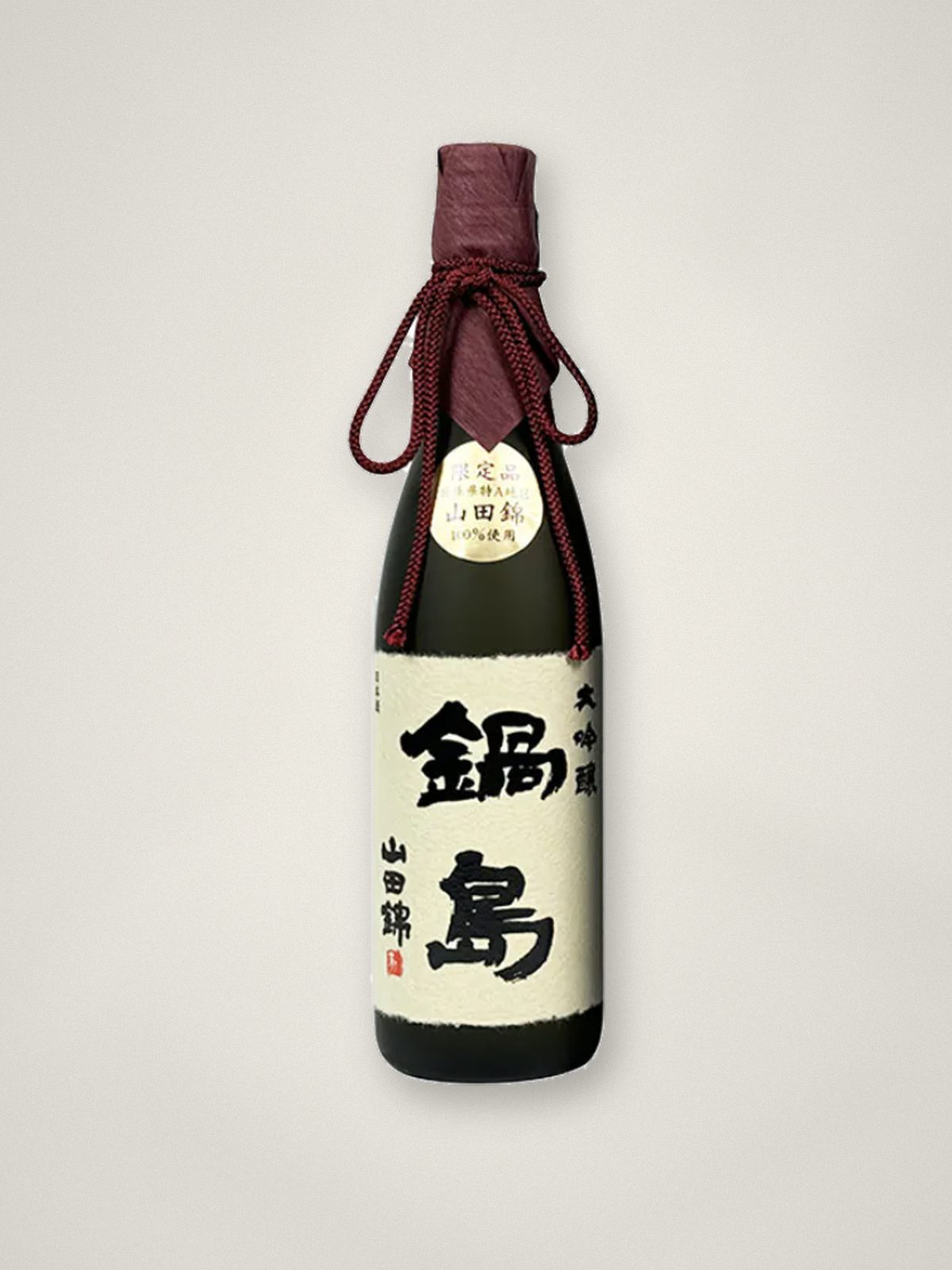
秋津 · 兵庫 35
Akitsu / Hyogo 35
Yamada Nishiki polished to 35% — junmai daiginjo from Akitsu, daiginjo from Hyogo Special A.
- In the shop
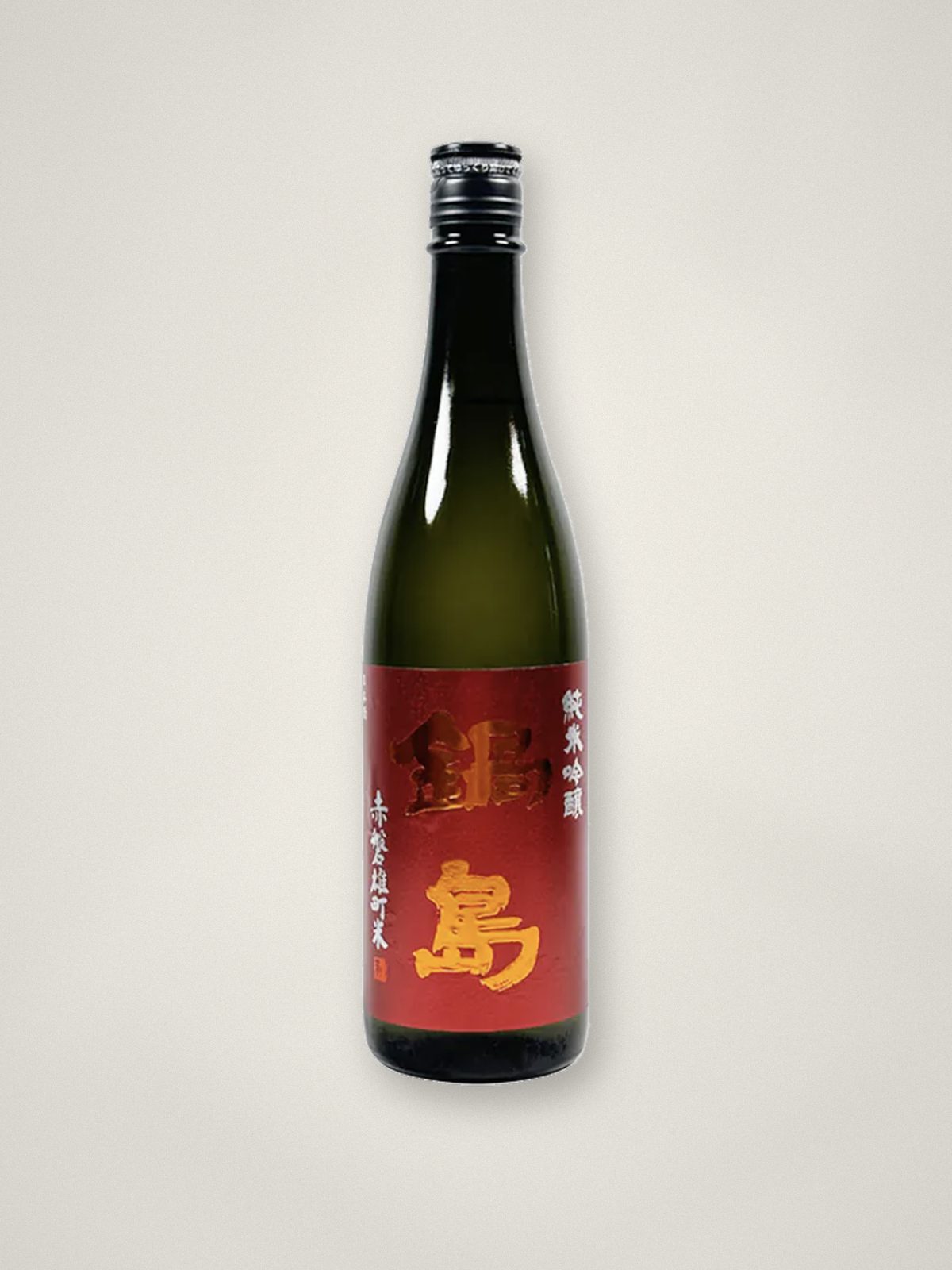
赤磐雄町
Akaiwa Omachi
Junmai ginjo from Akaiwa Omachi.
In the KOKOMII cellar