Brands/Zaku
作
Zaku
Shimizu Seizaburo Shoten (清水清三郎商店)·Mie·Founded 1869
Suzuka, water from the Suzuka mountains
Mellow flavour with a clean finish; lines such as Impression, Miyabi no Tomo, and Kaizan Ittekisui.
Shop ZakuShimizu Seizaburo Shoten has brewed in Suzuka, Mie, since 1869. The Ise plain grows rice; the Suzuka range sends subterranean water. Many neighbouring kura closed; this house is now the city’s only brewery.
作 (Zaku) means to make or to create. The brewery chose it to say that a sake’s value is finished at the table, not only in the vat — a glass meant to move with changing food and seasons, not to sit still as a trophy.
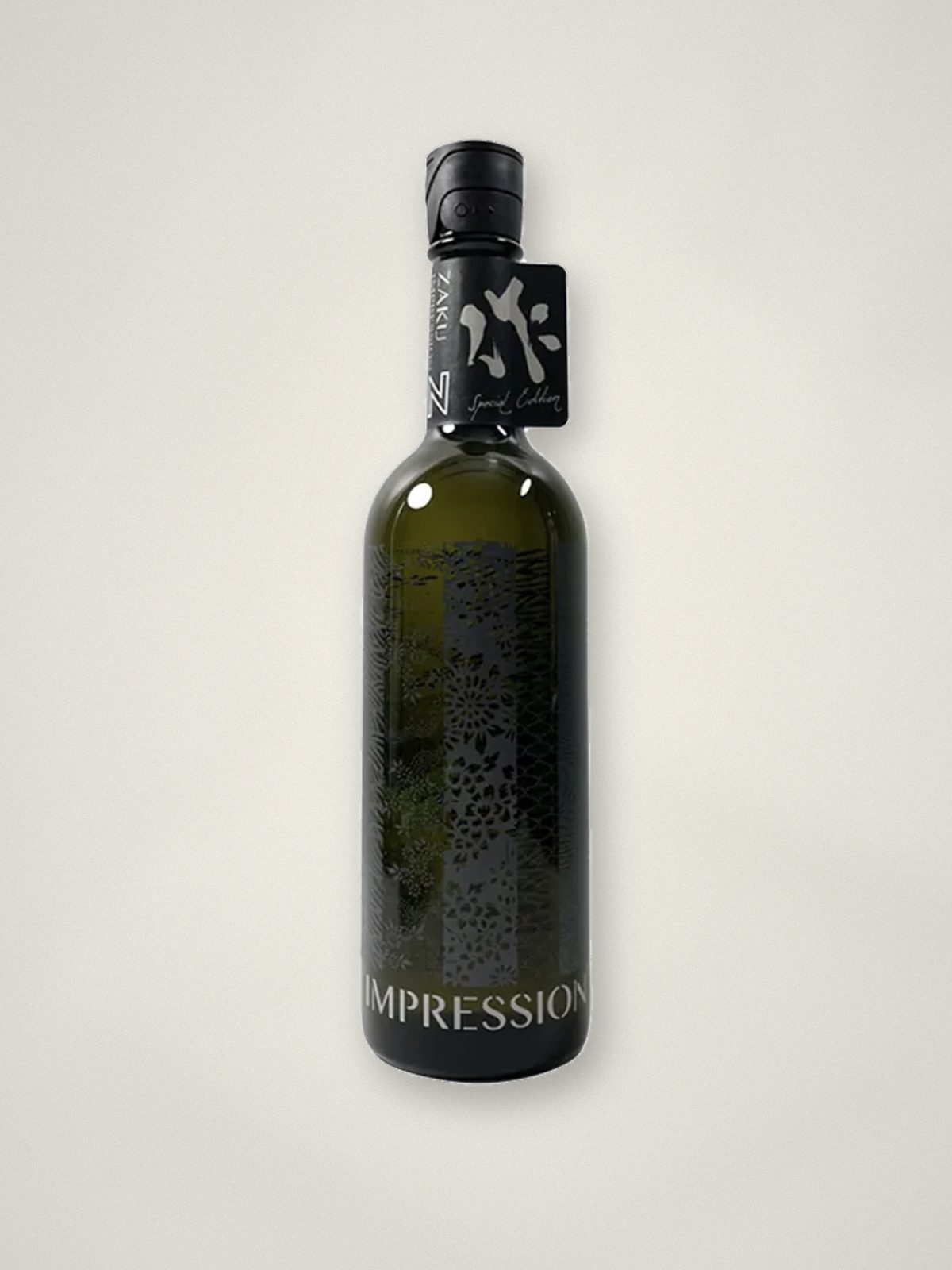
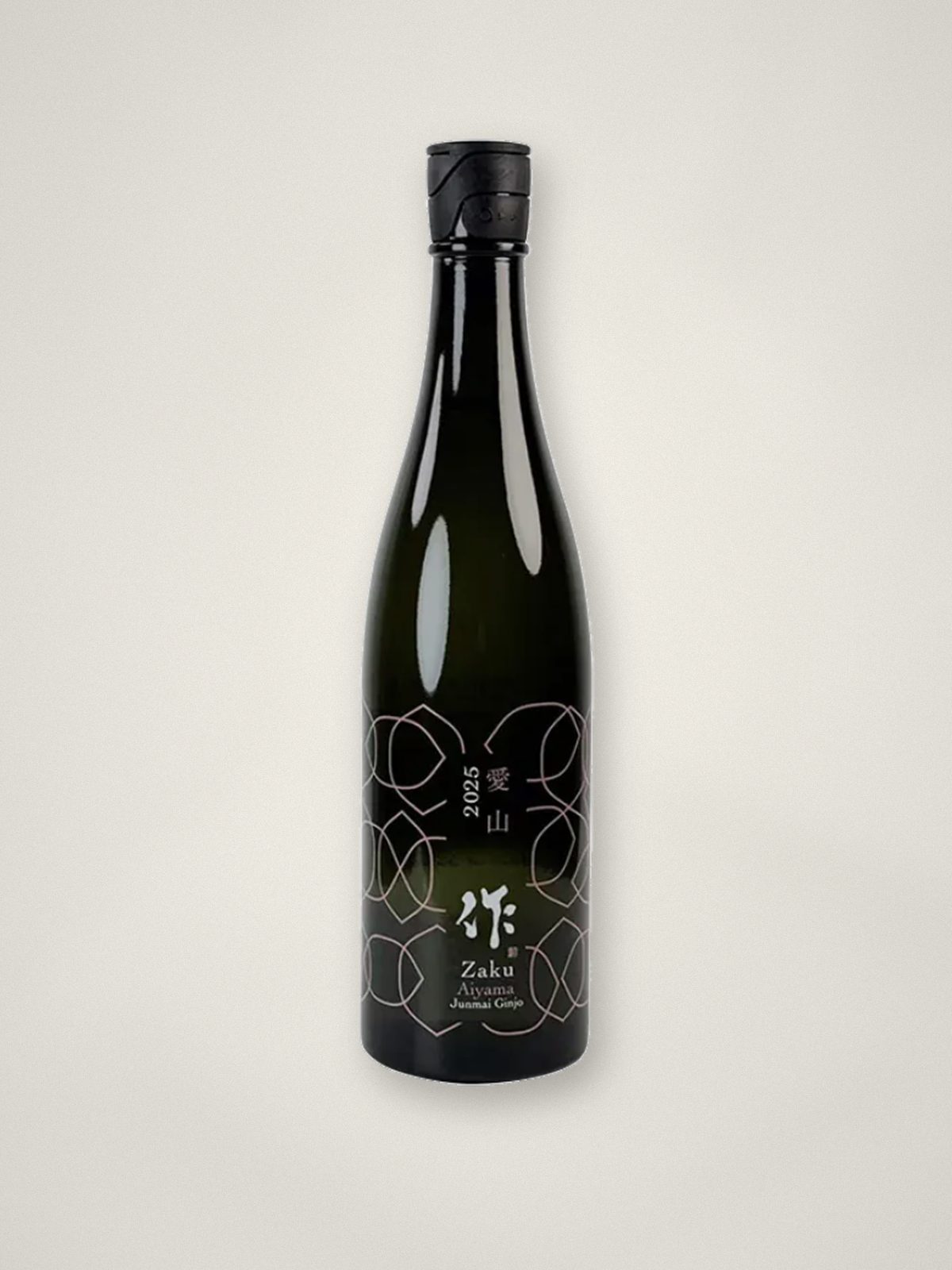
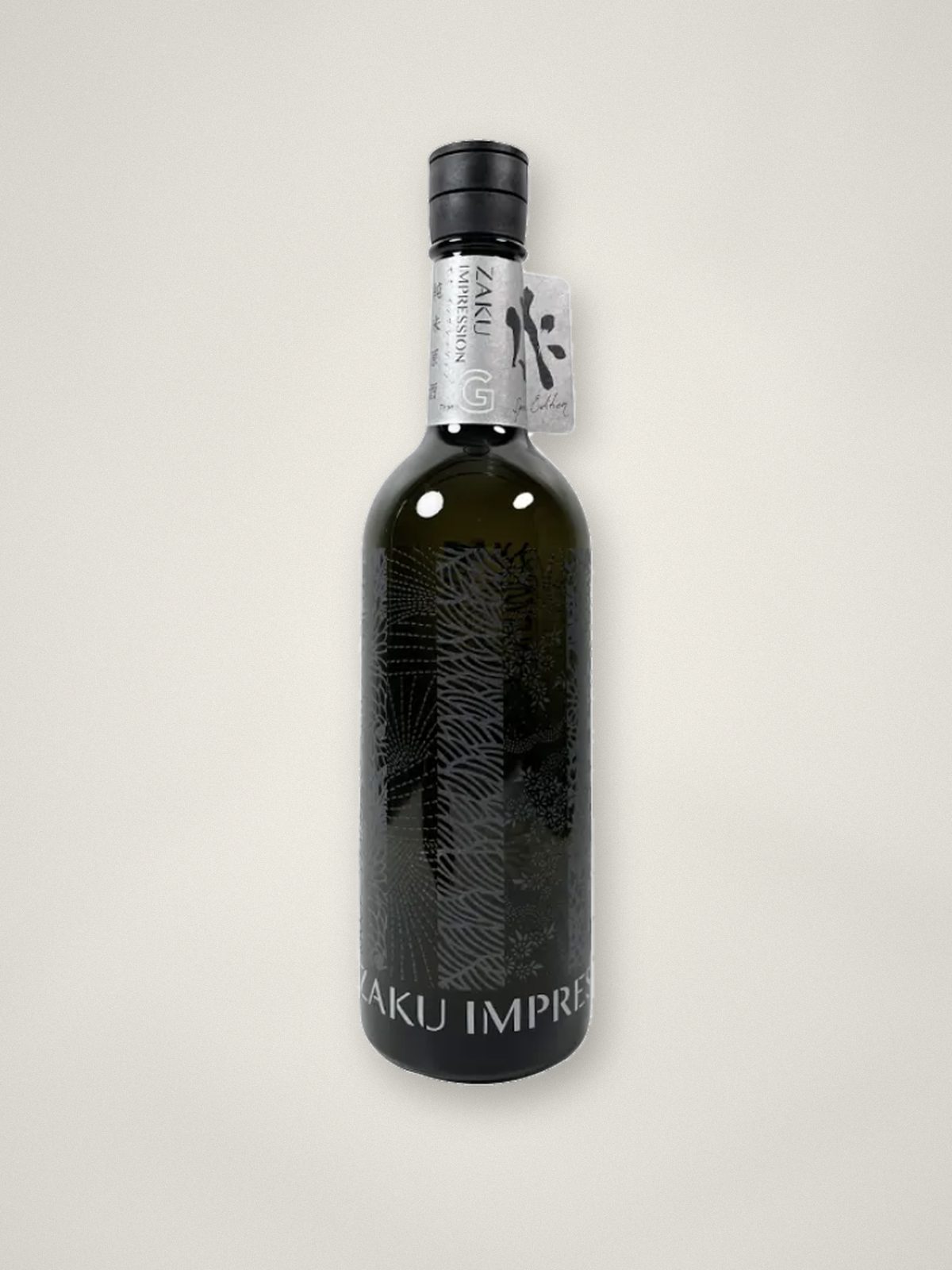
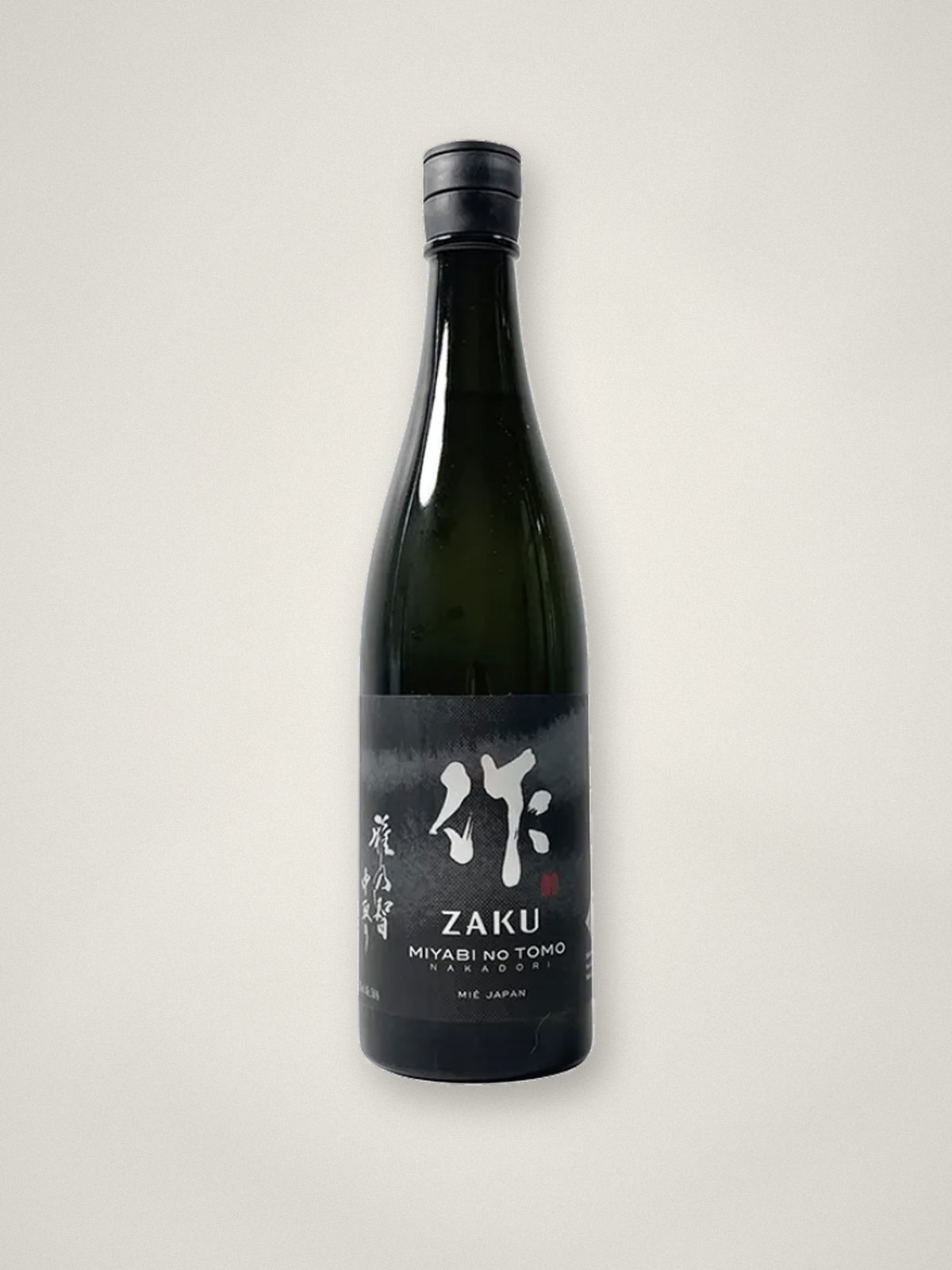
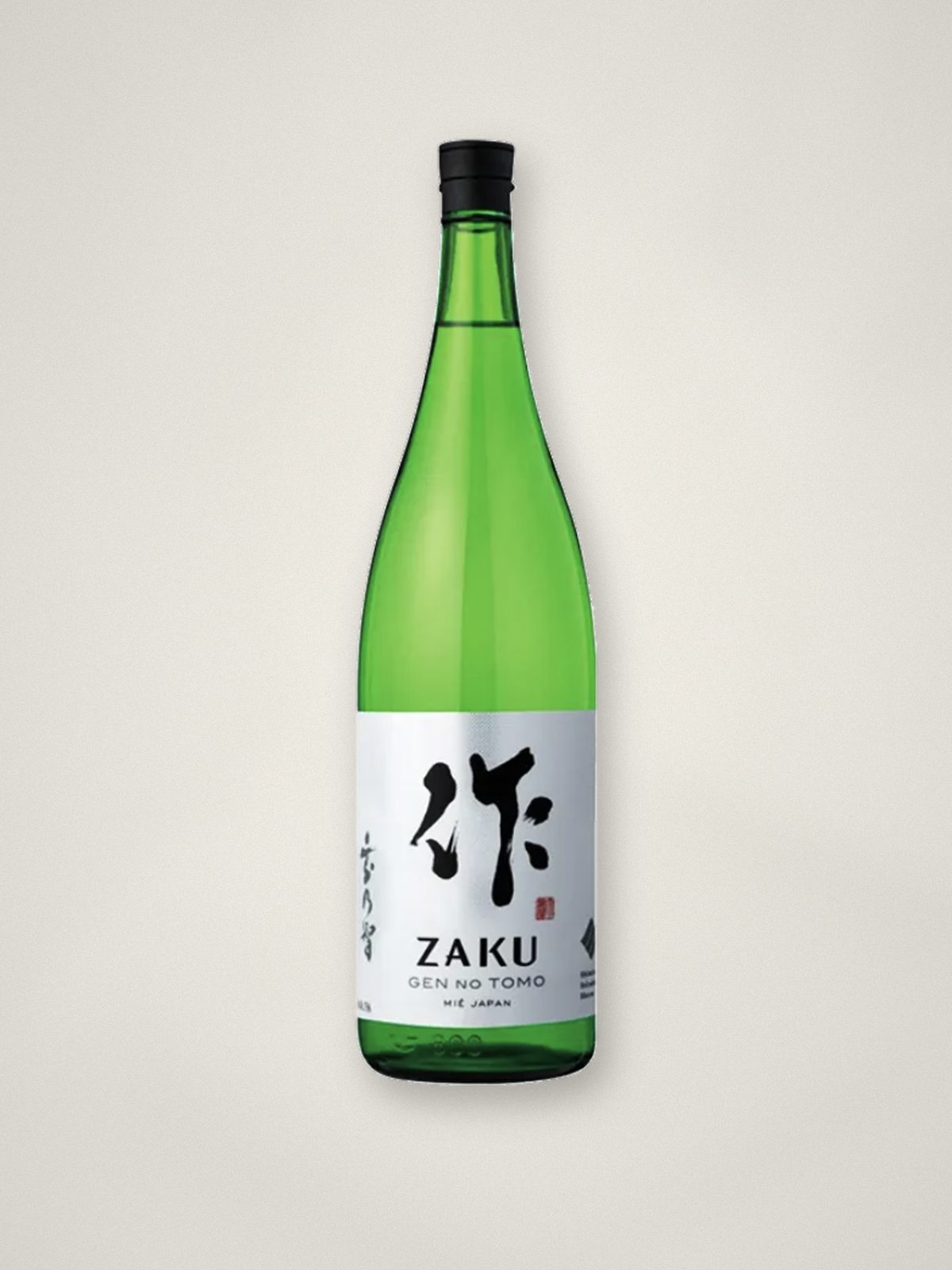
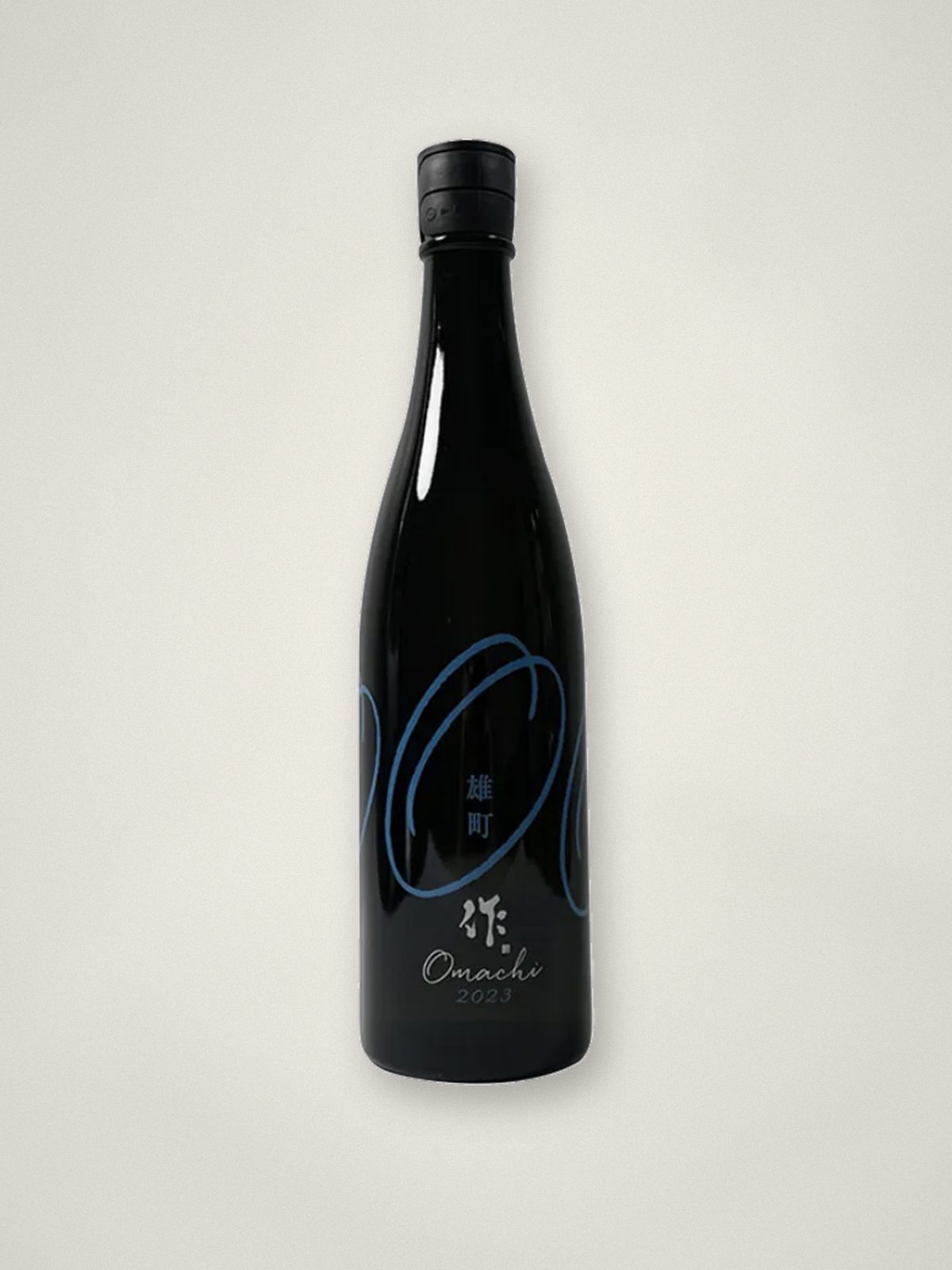
What the bottles share is clarity: a mellow middle and a short, clean exit. On the KOKOMII shelf now: Impression Type N and Type G, Miyabi no Tomo nakadori, Yozan Ittekisui, Hakutsuru Nishiki, Aiyama and Omachi ginjo, Gen no Tomo junmai, hiyaoroshi, and a nouveau first press.
Signature bottles
Lines we look for
Representative names — not a complete catalogue. Where the cellar has a matching SKU, the name opens that bottle.
- In the shop
IMPRESSION
Impression
Type N (muroka junmai daiginjo genshu) and Type G (chokumi junmai genshu).
- In the shop
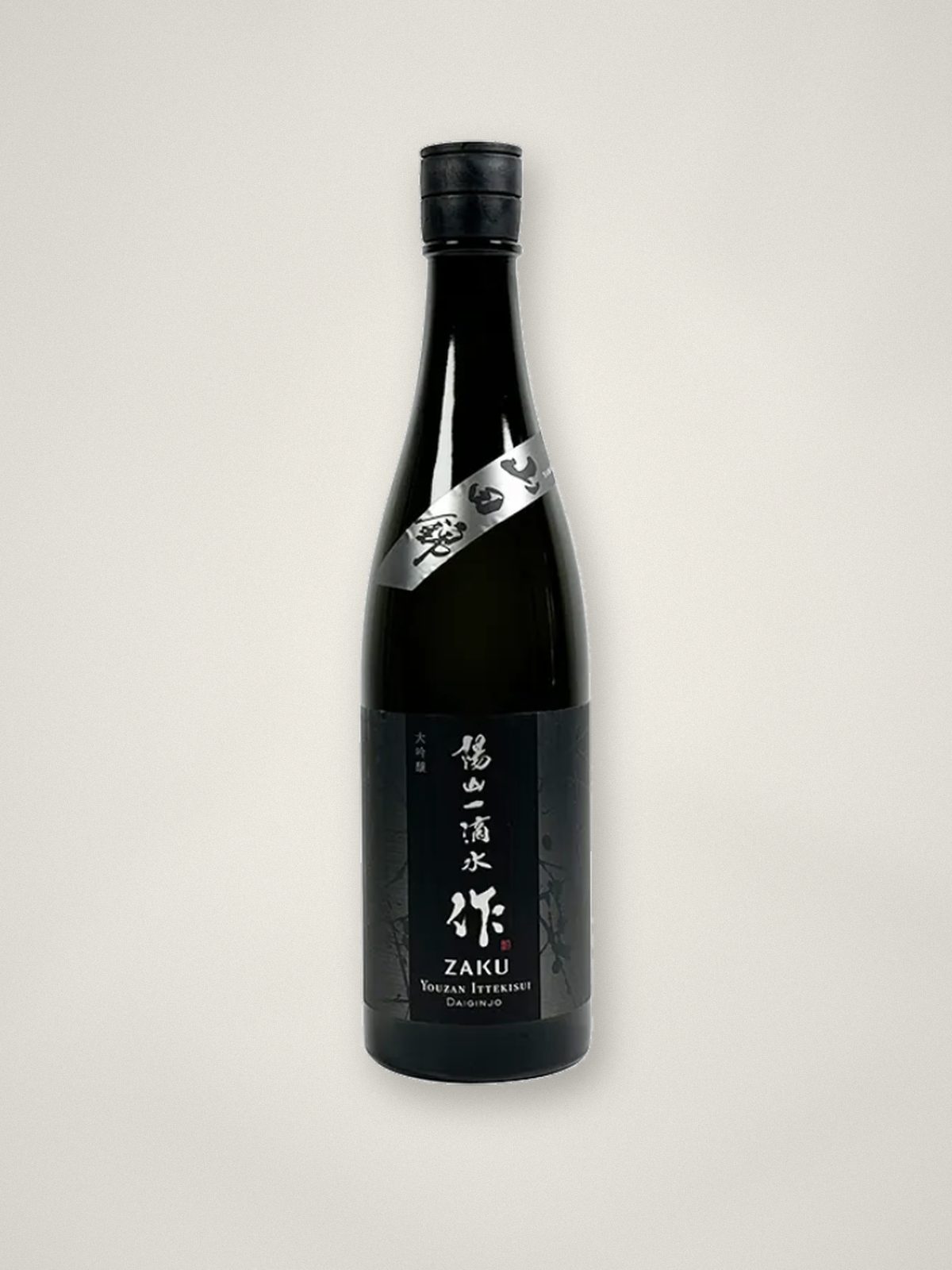
陽山一滴水
Yozan Ittekisui
Daiginjo — “one drop from the sunlit mountain.”
- In the shop
雅乃智
Miyabi no Tomo
Nakadori junmai daiginjo — the middle cut, a house favourite.
- In the shop
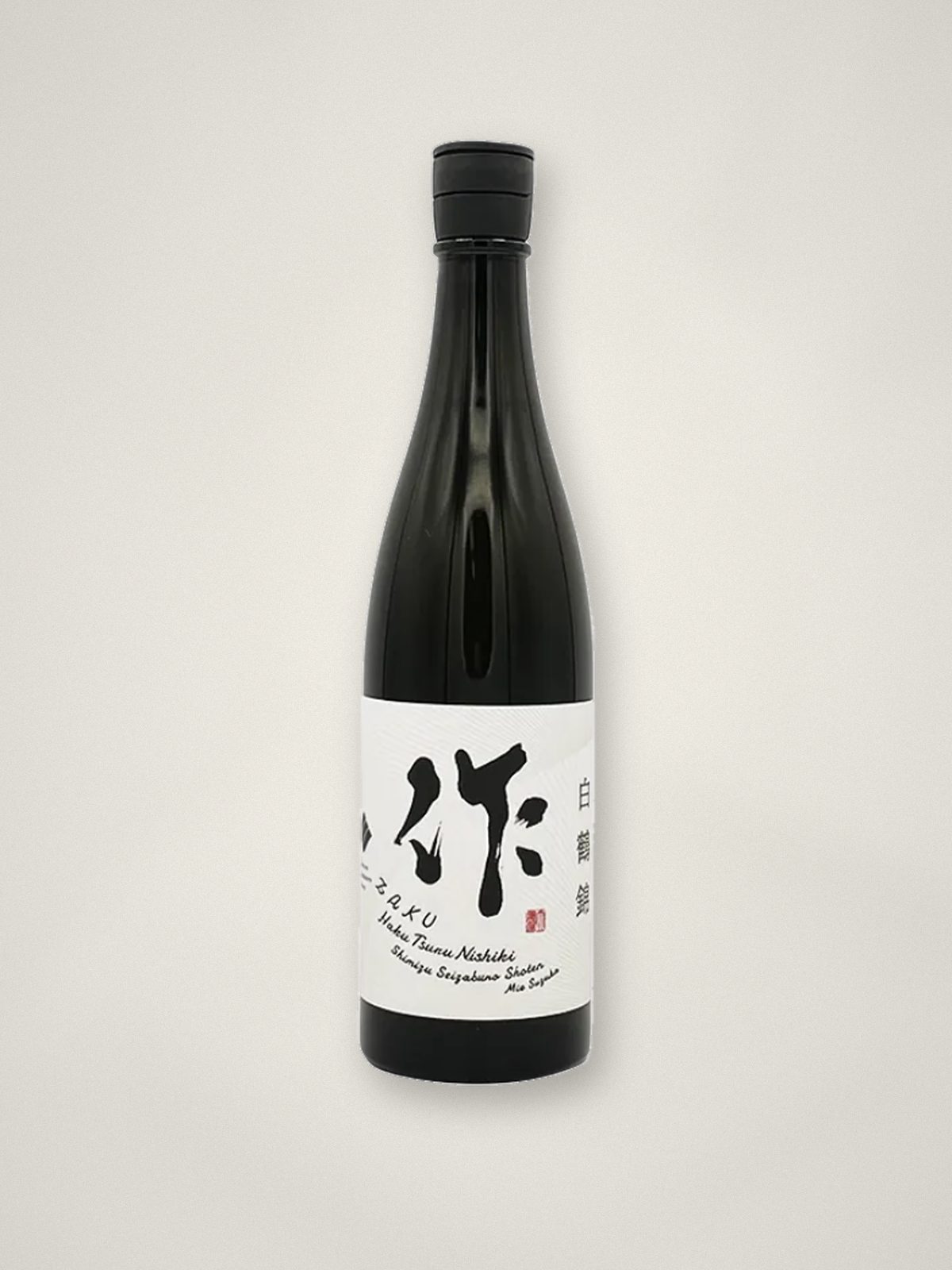
白鶴錦
Hakutsuru Nishiki
Junmai daiginjo; 720 ml on this listing (most Zaku here are 750 ml).
- In the shop
愛山 · 雄町
Aiyama / Omachi ginjo
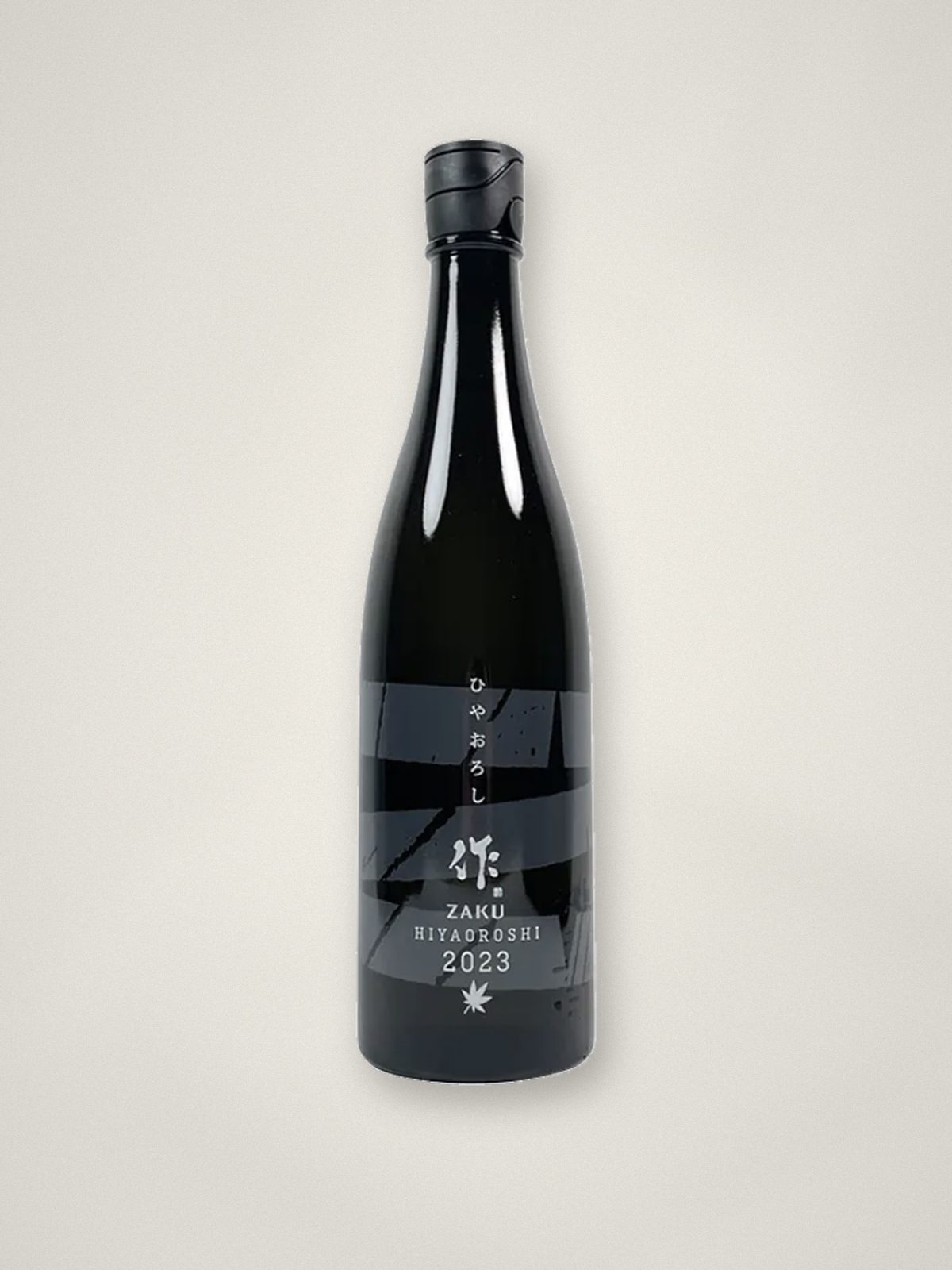
Rice-named junmai ginjo, plus an autumn hiyaoroshi.
- In the shop
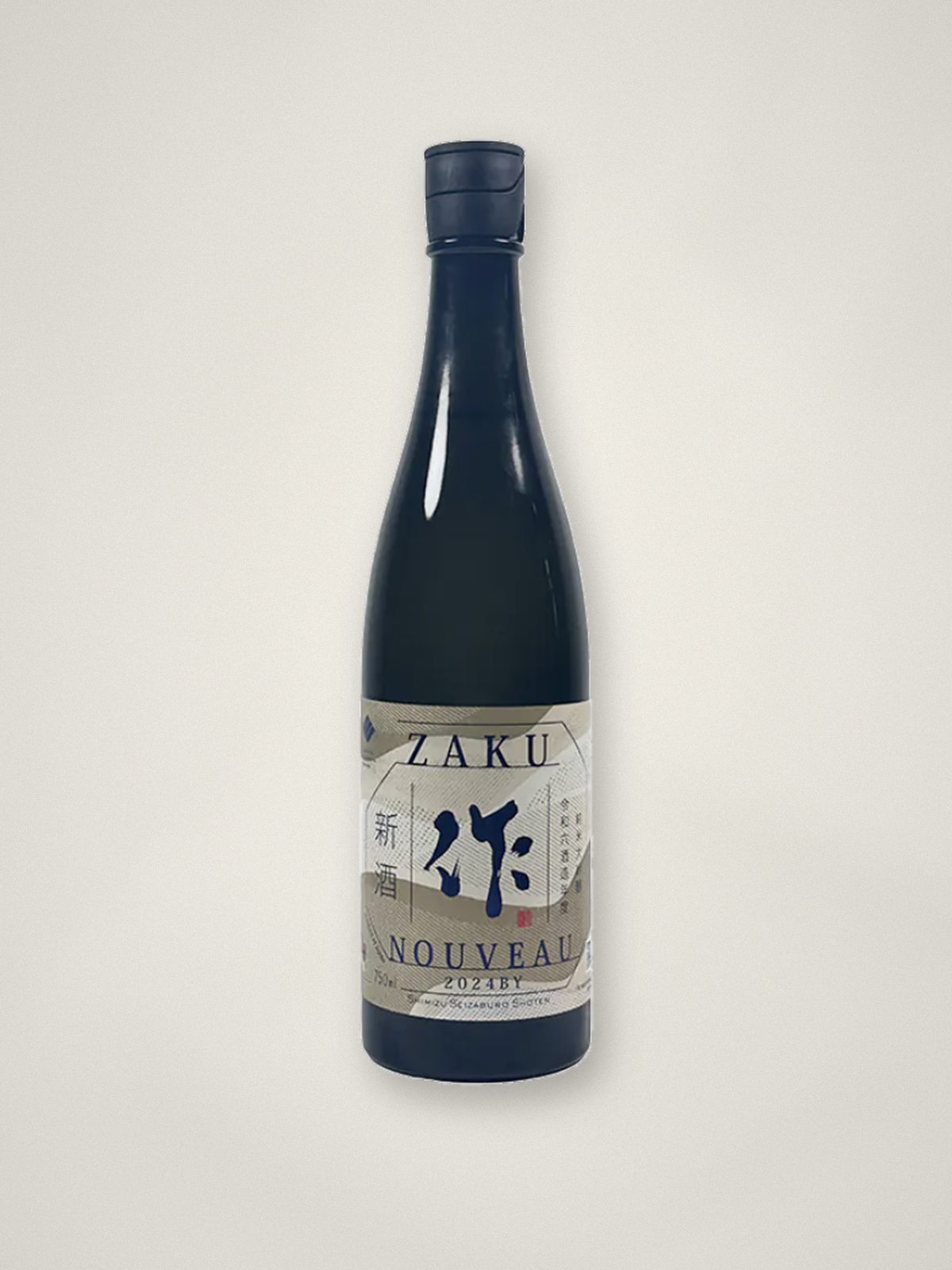
玄乃智 · 初榨
Gen no Tomo / Nouveau
Junmai for the table, and a first-press shinshu.
In the KOKOMII cellar